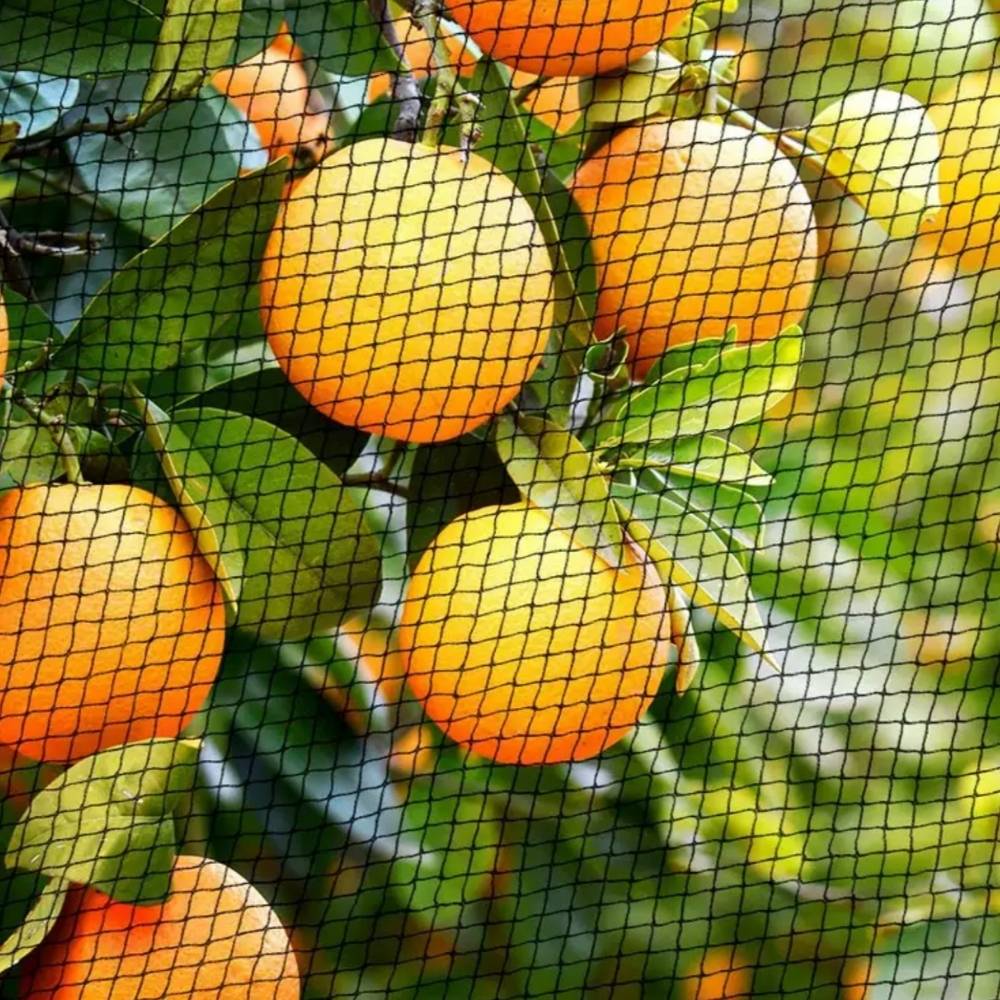
Here’s a good buy! Tough stuff. It worked so good on the fig tree that I felt sorry for the birds. After removing it I only wrapped enough areas of the tree for me leaving the rest for nature. Works great around the tomato plants.

Net For Birds | Bird Net | Garden Bird Mesh

Heavy Duty Bird Netting For Your Garden. Protect Plants, Trees, All Types Of Objects, Openings & Structures

Can be easily cut into the size and shape you need

Sale!

Price range: $79 through $129

A Variety Of Sizes to Choose From

FREE FAST SHIPPING ON ALL ORDERS ACROSS THE USA $75+ or more (save $22)

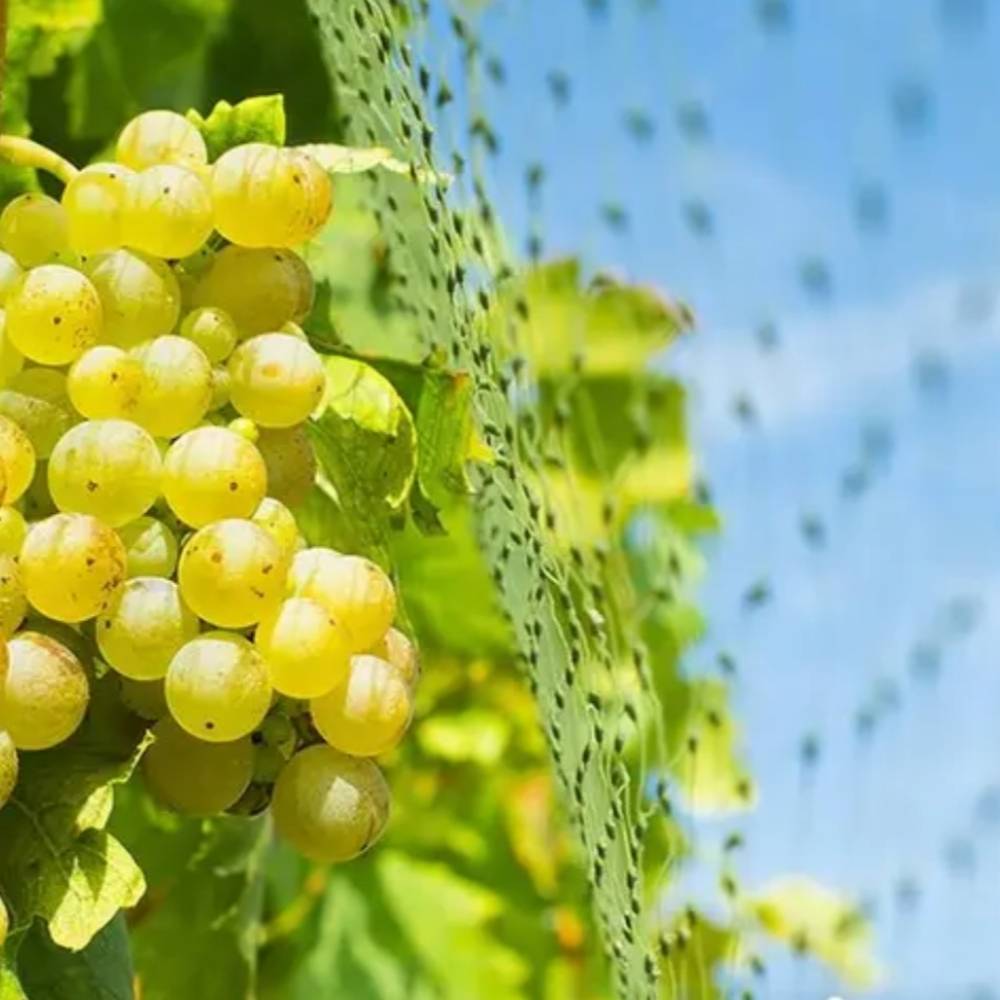
Protective bird netting effectively protects fruit, vegetation, chicken and berries from thieving birds and other small animals.

Harsh Weather resistant, protect your plants without harming birds and small animals.

SPECIFICATIONS
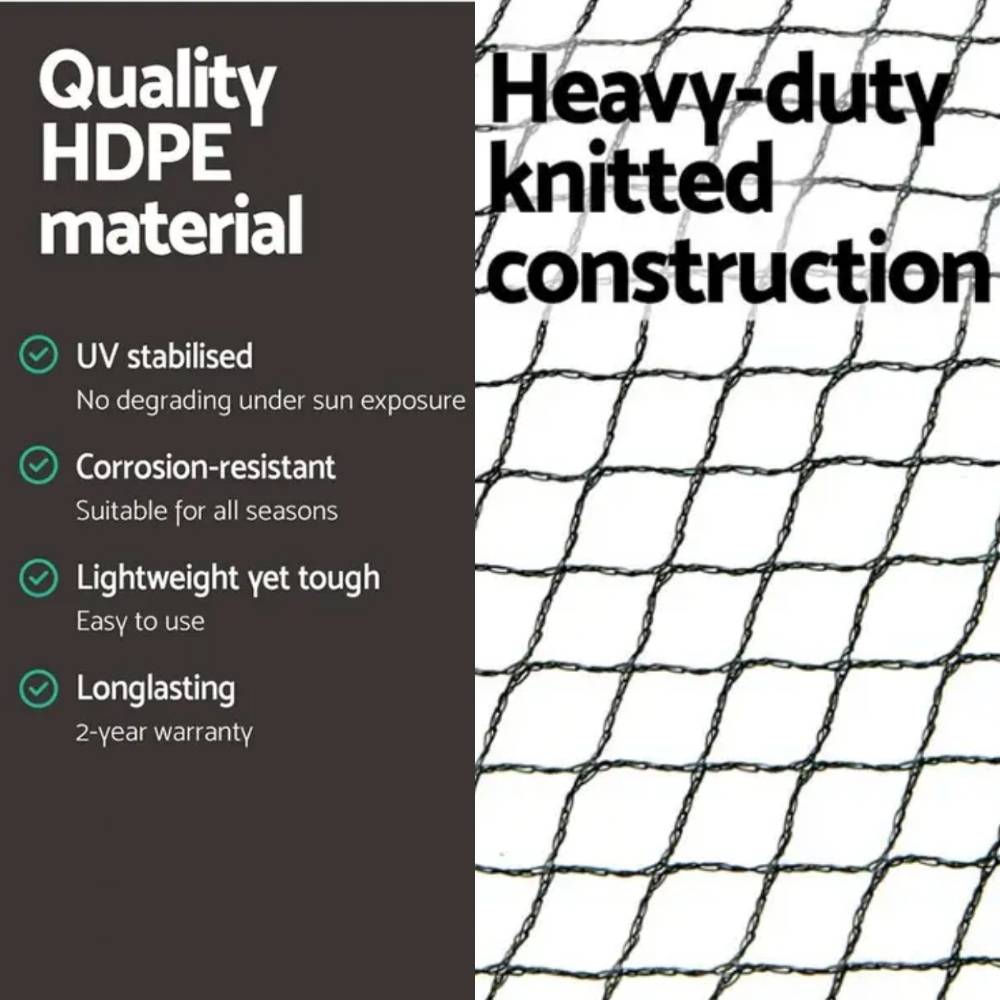
  • Heavy-duty knitted construction (1oz/ft2)
  • 1″ x 1″ mesh hole size
  • UV stabilised & durable
  • Can be cut to size – will not fray
  • Suitable for commercial and domestic use
best online company

DUE TO CURRENT DEMAND PLEASE ALLOW 5-7 DAYS SHIPPING
Direct To Your Door - All Across The USA

where to buy online
buy reusable protective garden netting
buy outdoor bird netting mesh

Protective bird netting effectively protects fruit, vegetation, chicken and berries from thieving birds and other small animals. Harsh Weather resistant, protect your plants without harming birds and small animals.

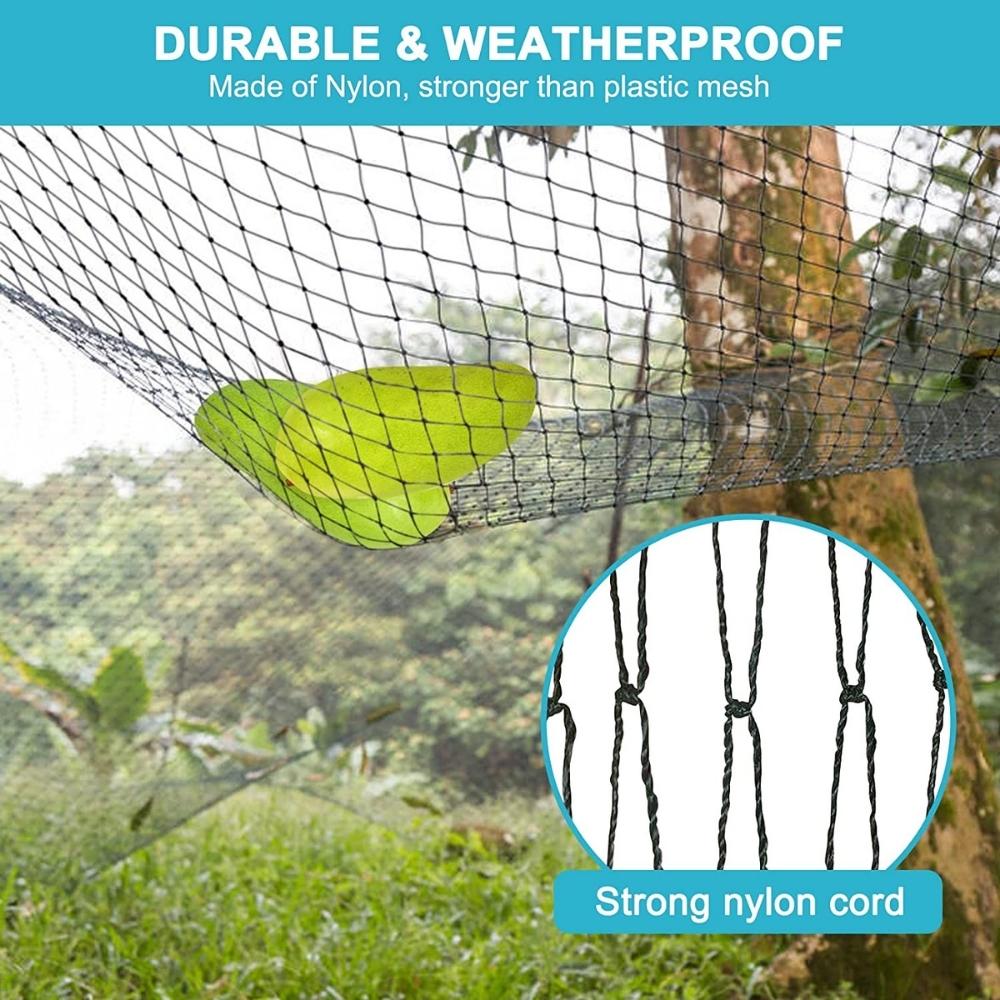
Plus, our highly visible netting is made of heavy-duty knitted and UV-stabilised nylon with a density of 30g/m2 for durability and long-lasting use. Not least, they can also be easily cut to size and will not fray easily.

Z

Multi-functional

Can be used as bird netting, chicken netting. Keep out BIRDS, SQUIRRELS, RABBITS, DEER AND OTHER ANIMALS from entering your garden. Create a strong barrier against unwanted visitors.
Z

SIZING

With 2cm mesh opening. When each side of the net is stretched evenly, the net is rectangular. But when one side is overstretched, the shape of the net will be irregular, the other side may shorten in length.
Z

Easy to use and put up

The 4 corners of the net are marked with bright color strings. You can set up this netting effortlessly. The netting is neatly tied up inside the package so it will not tangled like others.

Z

durable

This bird netting is made of durable extra thick nylon, which has greater resistance to rubbing and tearing, lightweight but heavy duty. Other cheap plastic netting in the market easily
buy commercial bird netting
buy reusable protective garden nets
buy tree garden net
buy mesh garden netting
buy protective tree net
buy tree garden netting mesh

Best Net For Birds: Your Ultimate Q&A Guide to Garden Protection

Ever watched in frustration as birds devoured your carefully grown tomatoes or stripped your berry bushes clean? You’re definitely not alone in this eternal battle between gardeners and our feathered friends! Finding the best net for birds can feel like navigating a maze of options, but don’t worry – we’ve got you covered with this comprehensive guide.

Bird netting isn’t just about throwing any old mesh over your plants and hoping for the best. It’s about understanding which protection works for your specific situation, your garden’s unique needs, and yes, even your budget. Whether you’re protecting a small herb garden or managing acres of crops, the right bird netting can be your garden’s best friend.

Understanding Bird Netting Basics

What exactly is bird netting, and how does it work?

Bird netting is essentially your garden’s invisible bodyguard – a lightweight, mesh barrier that creates a physical obstacle between hungry birds and your precious plants. Think of it as building a fortress around your garden, but one that’s so subtle you’ll barely notice it’s there!

The best bird net systems work on a simple principle: they create a barrier that birds can see and avoid, rather than trying to trap or harm them. It’s like putting up a “Do Not Disturb” sign that birds actually respect. The mesh allows sunlight, rain, and air to pass through freely while keeping those pesky beaks away from your harvest.

Why should I choose netting over other bird deterrent methods?

Great question! While scarecrows might work in movies, real birds are surprisingly smart and quickly figure out that your garden statue isn’t actually threatening. Netting offers something those other methods can’t: guaranteed physical protection that doesn’t rely on fooling clever birds.

Unlike noise-making devices that can annoy your neighbors (and you!), or chemical repellents that might affect your food, the best garden bird mesh provides silent, safe, and effective protection. It’s like having a security system that works 24/7 without any maintenance or ongoing costs.

Types of Bird Netting Materials

What materials are bird nets made from, and which is best?

Bird netting comes in several material options, each with its own personality and strengths. The most common materials include polyethylene (plastic), nylon, and polypropylene. Choosing the right one is like picking the right tool for a job – each excels in different situations.

Polyethylene netting is the most popular choice for good reason. It’s UV-resistant, lightweight, and surprisingly durable. The best net for birds in most home garden situations features polyethylene construction because it strikes the perfect balance between effectiveness and affordability. It’s like the reliable sedan of bird netting – not flashy, but it gets the job done day after day.

How do I know if I need heavy-duty or lightweight netting?

The weight of your netting should match your specific challenges. Are you dealing with gentle songbirds picking at your berries, or aggressive crows that seem determined to destroy everything in sight? Lightweight netting works beautifully for most garden birds, while heavy-duty options are your best bet for larger, more persistent species.

Consider your local weather too. If you live in an area with strong winds or frequent storms, investing in heavier best bird net materials makes sense. It’s like choosing between a light jacket and a winter coat – both protect you, but one’s better suited for harsh conditions.

Lightweight Netting Pros:

• Easy to install and remove
• More affordable
• Less visible
• Perfect for small birds
• Easier to store

Heavy-Duty Netting Pros:

• Withstands larger birds
• More weather resistant
• Longer lasting
• Better for permanent installations
• Handles wind better

Mesh Size and Configuration

What mesh size should I choose for different types of birds?

Mesh size is absolutely crucial – get this wrong, and you might as well not use netting at all! Think of mesh size like choosing the right size holes in a colander. Too big, and small items fall through; too small, and nothing can pass through, including the good stuff like air and light.

For most garden applications, a 3/4-inch (19mm) mesh works perfectly. This size effectively keeps out common garden birds like robins, starlings, and finches while still allowing excellent airflow. The best garden bird mesh for general use typically falls in this range because it offers the best compromise between protection and plant health.

Special considerations for different bird sizes

Tiny birds like hummingbirds can slip through surprisingly small openings, so if you’re dealing with these little acrobats, you might need 1/2-inch mesh or smaller. On the flip side, if crows or ravens are your main concern, you can get away with larger mesh sizes that provide better airflow and visibility.

Should I choose knotted or knitted mesh?

This choice often confuses gardeners, but it’s simpler than you might think. Knotted mesh is like a chain-link fence – each intersection is tied together, making it incredibly strong but potentially rough. Knitted mesh is more like a sweater – the strands are woven together smoothly without hard knots.

For most garden applications, knitted mesh is the winner. It’s gentler on birds (reducing injury risk if they do contact it), easier to handle during installation, and the best net for birds when you want a professional-looking result. Knotted mesh has its place in commercial agriculture, but for home gardens, knitted is usually the way to go.

Installation Techniques and Best Practices

How do I properly install bird netting without damaging my plants?

Installing bird netting is an art that becomes easier with practice, but getting it right the first time saves you headaches later. The key principle is creating a “tent” effect where the netting never touches your plants directly. Think of it like setting up a camping tent – you want space between the rain fly and the inner tent.

Start by installing support structures around your protected area. These can be stakes, PVC pipes, or even existing fence posts. The goal is creating anchor points that hold your best bird net above and around your plants without crushing them. Proper installation looks almost invisible when done right.

What tools and accessories do I need for installation?

Good news – you don’t need a garage full of specialized tools! Basic installation requires stakes or posts, zip ties or clips for securing, and scissors for cutting. Think of it as a simple DIY project that’s more like hanging Christmas lights than building a deck.

Many people find that landscape fabric pins, bungee cords, and cable ties make the job much easier. The best garden bird mesh installations often use simple accessories that make seasonal removal and reinstallation a breeze. Invest in quality fasteners – they’re the difference between a system that lasts all season and one that fails in the first storm.

Pro Tip: Mark your netting with bright ribbons or flags, especially at eye level. This helps prevent people (including you!) from walking into it accidentally. It’s like adding reflectors to a bicycle – safety first!

How do I secure the edges properly?

Edge security is where many installations fail. Birds are opportunistic and will find any gap you leave. Secure all edges to the ground using landscape pins, bury them slightly, or weight them down with rocks or boards. It’s like tucking in the edges of a fitted sheet – loose edges defeat the whole purpose.

Seasonal Considerations and Timing

When should I install bird netting for maximum effectiveness?

Timing your netting installation is like timing a perfectly ripe tomato – get it right, and you’ll be rewarded; get it wrong, and you’ll miss the window entirely. The ideal time varies depending on what you’re protecting, but generally, you want to install netting just before your crops become attractive to birds.

For fruit trees, this means installing the best net for birds when fruits are about 75% mature but before they start changing color. For berries, install when the first berries begin to form. It’s better to be a week early than a day late – once birds discover your garden buffet, they’ll keep coming back even after you install protection.

How do I adapt my netting strategy for different seasons?

Each season brings its own bird behavior patterns, and your netting strategy should adapt accordingly. Spring brings hungry birds returning from migration, summer brings peak feeding activity, and fall brings birds preparing for winter. Understanding these patterns helps you use your best garden bird mesh more effectively.

In spring, focus on protecting newly planted seeds and seedlings. Summer requires full protection during fruit and vegetable maturity. Fall might need protection for late-season crops and winter storage vegetables. It’s like changing your wardrobe with the seasons – the same principles apply, but the specifics change.

Choosing the Right Size and Coverage

How do I calculate how much netting I need?

Calculating netting requirements isn’t rocket science, but it’s easy to underestimate. Measure your protection area and add at least 20% for overlap and securing. Think of it like buying wrapping paper – you always need more than the exact dimensions of the box.

For tree protection, measure the diameter of the canopy and add extra for draping and ground securing. The best net for birds should completely enclose the protected area with enough slack to avoid putting pressure on branches or plants. Remember, loose netting works better than tight netting in most applications.

Should I buy pre-cut sizes or bulk netting?

This depends on your garden’s layout and your DIY comfort level. Pre-cut sizes are convenient for standard applications like small fruit trees or raised beds. Bulk netting gives you flexibility to customize for unusual shapes or multiple small areas. It’s like choosing between buying individual portions or bulk ingredients – both have their advantages.

What’s the best approach for irregular garden shapes?

Irregular gardens can be challenging, but they’re not impossible to protect. The key is breaking complex shapes into simpler sections and connecting them seamlessly. Think of it like solving a jigsaw puzzle – you work on smaller sections and then connect them together.

Use the best garden bird mesh in overlapping sections rather than trying to force one piece to cover everything. Overlap sections by at least 6 inches and secure connections well. Sometimes using multiple smaller pieces is more effective than wrestling with one giant piece.

Cost Considerations and Value

What should I expect to pay for quality bird netting?

Bird netting pricing varies widely based on quality, size, and features. Budget options start around $20-30 for small garden coverage, while premium systems can cost $100-200 or more for larger areas. But here’s the thing – the cheapest option isn’t always the best value, just like buying the cheapest umbrella doesn’t make sense if it breaks in the first storm.

The best net for birds balances initial cost with durability and effectiveness. A quality system that lasts three seasons often costs less per year than cheap netting that needs annual replacement. Factor in your time for installation and the value of your protected crops when making decisions.

How do I calculate the return on investment for bird netting?

Calculating ROI for bird netting is more straightforward than you might think. Estimate the value of crops you typically lose to birds, factor in the cost of the netting system, and compare the numbers. Most gardeners are surprised to discover their best garden bird mesh pays for itself in the first season!

Don’t forget to include intangible benefits like reduced frustration and the satisfaction of actually harvesting what you’ve grown. There’s no price tag on the joy of picking your own perfect strawberries instead of finding empty stems where they used to be.

Cost-Benefit Quick Calculator:

• Estimate annual crop loss value: $______
• Netting system cost: $______
• Expected system lifespan: _____ years
• Annual netting cost: $______ ÷ _____ years = $______
• Annual savings: $______ – $______ = $______

Maintenance and Longevity

How do I maintain my bird netting to maximize its lifespan?

Proper maintenance can double or triple your netting’s lifespan, making it one of the best investments you can make in your garden protection system. Think of netting maintenance like caring for any valuable tool – a little attention goes a long way.

Regular inspection is key. Check for tears, UV damage, or areas where animals might have tried to breach the barrier. The best net for birds deserves regular care to maintain its effectiveness. Clean debris off the netting periodically, and store it properly during off-seasons to prevent unnecessary wear.

What are the signs that my netting needs replacement?

Netting replacement signs are usually obvious once you know what to look for. UV damage appears as fading, brittleness, or actual disintegration of the mesh material. Multiple tears or holes indicate it’s time for an upgrade. If your netting looks like Swiss cheese, it’s definitely time for a replacement!

How should I store netting during off-seasons?

Proper storage is crucial for extending netting life. Clean the netting thoroughly, ensure it’s completely dry, and fold it carefully to avoid permanent creases. Store in a cool, dry place away from direct sunlight and rodents. Think of it like storing seasonal clothing – cleanliness and proper folding prevent damage.

Many gardeners find that storing their best garden bird mesh in labeled containers or bags makes spring installation much easier. Include installation hardware with the stored netting so everything’s ready when you need it.

Common Mistakes and How to Avoid Them

What are the biggest mistakes people make with bird netting?

The biggest mistake is installing netting too late – after birds have already discovered your garden treasures. It’s like locking the barn door after the horses have escaped. Once birds establish a feeding pattern, they become much more persistent and harder to deter.

Another common error is choosing the wrong mesh size or installing netting too tightly against plants. The best net for birds should float above your plants like a protective cloud, not squeeze them like a too-tight sweater. Poor edge security is also a frequent problem that renders even the best netting ineffective.

Warning: Never use fine mesh netting (smaller than 5mm) for bird protection. This can trap small birds and other wildlife, causing injury or death. Always choose appropriate mesh sizes for humane bird deterrence.

How can I avoid the netting looking messy or unprofessional?

A professional-looking installation starts with proper planning and quality materials. Use adequate support structures to prevent sagging, secure all edges neatly, and choose netting colors that blend with your garden environment. Black or green best garden bird mesh typically looks more professional than bright white or clear options.

Take time to make clean, straight lines and avoid loose, flapping sections. It’s like the difference between a well-made bed and rumpled sheets – the same materials can look completely different based on how they’re arranged.

Environmental and Wildlife Considerations

Is bird netting harmful to birds or other wildlife?

When used properly, bird netting is one of the most humane bird deterrent methods available. Unlike poisons or traps that can harm birds, quality netting simply encourages them to find food elsewhere. It’s like putting up a polite “No Vacancy” sign rather than setting traps.

The key is choosing appropriate mesh sizes and maintaining proper installation. The best net for birds creates a clear barrier that birds can see and avoid, rather than an invisible trap. Proper installation and quality materials minimize any risk to wildlife while protecting your crops effectively.

How do I balance garden protection with being wildlife-friendly?

You can absolutely protect your garden while remaining wildlife-friendly! Consider leaving some areas unprotected as bird feeding zones, plant bird-friendly flowers and shrubs outside your main garden, and provide water sources for wildlife. Think of it as creating designated areas for different purposes, like having both formal dining rooms and casual spaces in your home.

Using the best garden bird mesh on your most valuable crops while allowing birds access to other areas creates a win-win situation. You protect your investment while still supporting local wildlife populations.

Alternative and Complementary Solutions

Can I combine bird netting with other deterrent methods?

Absolutely! Combining methods often provides better results than relying on any single approach. Think of it like layering your security system – each layer adds protection and makes your garden less attractive to birds looking for easy meals.

Popular combinations include using reflective tape near netting edges, installing motion-activated sprinklers in unnetted areas, or planting bird-deterrent plants around protected zones. The best net for birds works even better when it’s part of an integrated approach to garden protection.

What about decoy birds or scarecrows?

Traditional deterrents like scarecrows can complement netting systems, especially in larger gardens where complete netting isn’t practical. However, these methods work best when moved regularly to prevent birds from getting accustomed to them. Modern motion-activated decoys tend to be more effective than static scarecrows.

Are there natural alternatives to synthetic netting?

While synthetic materials dominate the market due to their durability and effectiveness, some natural alternatives exist. Row covers made from lightweight fabric can provide temporary protection, and some gardeners use cheesecloth for delicate applications. However, these alternatives typically don’t offer the longevity and weather resistance of quality synthetic best garden bird mesh.

Consider natural options for temporary or specialized applications, but remember that durability and effectiveness often favor synthetic materials for long-term garden protection.

Troubleshooting Common Problems

What should I do if birds are still getting through my netting?

If birds are breaching your defenses, you’ve got a detective job on your hands! Start by carefully inspecting your entire installation for gaps, tears, or areas where the netting might have pulled away from anchor points. Birds are surprisingly good at finding and exploiting weaknesses – they’re like tiny feathered ninjas!

Check that your mesh size is appropriate for the birds you’re dealing with, ensure all edges are properly secured, and verify that the netting isn’t sagging onto plants where birds might perch and reach through. Sometimes the solution is as simple as adding more support posts or re-securing loose edges. The best net for birds only works when it’s properly maintained and installed.

How do I deal with netting that keeps sagging or falling down?

Sagging netting is usually a support structure problem, not a netting quality issue. Think of it like a tent that keeps collapsing – the problem isn’t usually the tent fabric, but rather inadequate or improperly placed poles. Add more support posts, ensure they’re tall enough to create proper clearance, and check that your attachment points are secure.

Weather can also cause sagging as materials expand and contract with temperature changes. Regular adjustment and maintenance, especially after storms or extreme weather, helps keep your best garden bird mesh performing at its best.

Advanced Tips for Serious Gardeners

How can I create a professional-grade bird protection system?

Professional-grade systems require more planning and investment but provide superior long-term results. Consider permanent support structures, higher-quality materials, and modular designs that allow for easy seasonal adjustment. Think of it like upgrading from a camping tent to a permanent gazebo – both provide shelter, but one offers superior durability and convenience.

Invest in UV-stabilized materials, corrosion-resistant hardware, and proper drainage considerations for areas where water might collect. The best net for birds in professional applications often features specialized attachment systems and premium materials that justify higher initial costs through longevity and performance.

What about automated or smart netting systems?

Emerging technologies are bringing automation to bird protection, including motorized netting systems that can deploy automatically and smart sensors that detect bird activity. While these systems are still relatively expensive and complex, they represent the future of large-scale garden protection.

How do I scale bird netting for commercial applications?

Commercial applications require different considerations than home gardens. Focus on durability, ease of maintenance, and systems that can withstand equipment traffic and weather extremes. Commercial best garden bird mesh systems often use permanent support structures and heavy-duty materials designed for multiple seasons of intensive use.

Consider factors like harvest equipment access, irrigation system compatibility, and labor efficiency when designing commercial systems. What works for a backyard garden might not scale effectively to acres of production agriculture.

Quick Troubleshooting Checklist:

✓ All edges properly secured to ground
✓ Adequate support posts preventing sagging
✓ Correct mesh size for target birds
✓ No tears or damage in netting material
✓ Proper clearance above plants
✓ Weather damage from recent storms
✓ Hardware connections still secure
✓ No access points around structures
✓ Netting tension appropriate (not too tight)
✓ Installation timing relative to crop maturity

Future of Bird Protection Technology

What innovations are coming in bird protection technology?

The future of bird protection is exciting, with developments in smart materials, automated systems, and integrated pest management approaches. New materials promise better UV resistance, lighter weight, and even self-repairing capabilities. Think of it like the evolution from flip phones to smartphones – the basic function remains the same, but the capabilities are revolutionary.

Researchers are developing netting with embedded sensors that can detect breach attempts, automated deployment systems, and materials that change properties based on environmental conditions. While the best net for birds today focuses on passive protection, tomorrow’s systems might actively adapt to threats and conditions.

Conclusion

Finding the best net for birds for your garden doesn’t have to be an overwhelming process when you understand the key factors that matter most. Whether you’re protecting

Frequently Asked Questions
pest spike company usa

Ordering Online

Which payment methods are accepted?

We currently only accept credit card payments, PayPal & Crypto currency. More payment methods will be added in the future.

What currency are the prices displayed in?

All of our prices are displayed in $USD.

What are your delivery options and how long will it take?
  • USA: Free Delivery, 5-7 days

OUR DELIVERY PARTNERS INCLUDE

us shipping partners

Do I get a receipt for my order?

You will be sent a receipt for your order by email after payment is made. You will also receive a confirmation email with a tracking number once your item has been shipped.

Do you have a shop location?

We are a “online supplier”, with no physical shop or premises. In this way, we are able to pass our considerable savings directly to you.

Do your products come with warranty?

Unless otherwise stated all items purchased from https://pestspike.com come with a standard consumer warranty.

Can I return my item?

We will gladly Refund or Exchange an item if:

  • The item is faulty
  • The item is not the same as the description or as shown or advertised
  • The item does not perform as per the manufacturers intention

You may not be entitled to a Refund or Exchange if:

  • You have changed your mind and no longer require the item
  • You decide you cannot afford the item
  • You found the item cheaper elsewhere
  • The style, colour, or size is not suitable
  • You were responsible for the fault
  • All refund requests MUST be accompanied with an original receipt or other proof of purchase.
  • Please feel free to discuss our policy with our Manager prior to purchase.

Note that measurements quoted on our website and affiliated sites and social media channels are subject to slight variances, when purchasing items measure all items to ensure they fit your space.

Product Shipping

How do I know if my order has been shipped?

Once your order is shipped, it will be marked as complete in our database and you will receive a confirmation email with a tracking number.

I haven't received my order yet! Is it lost?

If you have any concerns with your order, please contact our support team by email and they will be glad to assist you. Most emails are answered within 1 business day.

Support Team: admin@customersupport.care

What is Bird Netting Mesh used for?
Bird Netting Mesh is used to protect gardens, crops, and trees from birds and other pests, keeping them safe and undamaged.
Can Tree Garden Net be used for fruit trees?
Absolutely! Tree Garden Net is ideal for protecting fruit trees, ensuring you can enjoy your harvest without bird interference.
Is Reusable Protective Garden Netting environmentally friendly?
Yes, Reusable Protective Garden Netting is eco-friendly as it can be used season after season, reducing waste and environmental impact.
How do I install Bird Netting Mesh?
Installing Bird Netting Mesh is straightforward; it can be draped or attached to supports over plants, trees, or garden beds to create a protective barrier.
Is Tree Garden Net durable?
Yes, Tree Garden Net is made from sturdy materials designed to withstand outdoor conditions, providing long-lasting protection for your trees.
Can Reusable Protective Garden Netting be easily removed and stored?
Yes, Reusable Protective Garden Netting is designed for convenient removal and storage during the off-season or when not in use.
Will Bird Netting Mesh harm birds?
No, Bird Netting Mesh is a humane bird deterrent. It keeps birds away from your plants without causing harm.
Can Tree Garden Net be used for bushes and shrubs?
Absolutely! Tree Garden Net can be adapted to protect bushes and shrubs, ensuring your entire garden is safeguarded.
Does Reusable Protective Garden Netting block sunlight?
No, Reusable Protective Garden Netting is designed to allow sunlight, air, and moisture to reach your plants while keeping pests out.
Is Bird Netting Mesh suitable for organic gardening?
Yes, Bird Netting Mesh is a popular choice for organic gardeners, as it provides a chemical-free way to protect crops and maintain organic practices.